Have you been waking up morning after morning with endless sneezing fits, a completely blocked nose, and carrying tissues everywhere you go? Friends and colleagues might tell you that you've caught another winter cold or that your immune system is weak. However, if these symptoms last for weeks or months, and peak specifically when you get into bed or wake up, there is no cold virus involved. You are experiencing what the medical world calls Perennial (Year-Round) Allergic Rhinitis.
Many expats confuse allergic rhinitis with spring "hay fever" caused by pollen. But while pollen is only around for a few months, there is an invisible enemy living in the heart of our apartments 365 days a year: house dust mites. Let's look at the chemical-free, indoor solutions recommended by the medical community for this never-ending congestion and the dark circles under your eyes.
The Hidden Signs of Allergic Rhinitis in Your Body
Allergic rhinitis occurs when your immune system overreacts to harmless substances (allergens) and causes the tissues inside your nose to swell. If your mattress is a habitat for dust mites, you end up inhaling their microscopic airborne feces all night long.
According to clinical findings and guidelines from the American Academy of Allergy, Asthma & Immunology (AAAAI), this nighttime exposure leaves specific physical marks on your body:
- Allergic Shiners (Dark Circles): Because your nasal passages are constantly congested, blood pools in the small veins under your eyes, creating dark purple rings.
- Nasal Voice & Snoring: Swollen, blocked nasal passages force you to breathe through your mouth at night. Mouth breathing directly causes snoring and leads to waking up with a severely dry throat.
- The "Allergic Salute": Especially common in children, the tip of the nose itches so intensely that they constantly rub it upwards with the back of their hand.
Why Are Nasal Sprays Never Enough?
When faced with a chronic stuffy nose, the first step for many patients is buying antihistamine pills or nasal sprays from the pharmacy. However, the official practice parameters of the AAAAI set a very clear environmental control rule: Patients with rhinitis must be advised to minimize their exposure to dust mite allergens to decrease their risk of developing symptoms.
Think about it; if your nose is constantly filling up with dust mite feces all night, the sprays you use will only provide a temporary band-aid. For true and permanent relief, you need a holistic ecosystem that physically stops the allergens from ever reaching your respiratory tract.
The Allerworx Complete Protection Ecosystem
To dry out your allergic rhinitis symptoms at their source, you can build the physical barriers recommended by the medical world right in your home with Allerworx:
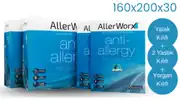
1. Isolate the Source (Tightly Woven Cotton Encasements) The number one culprit of your chronic blocked nose is your bed. Fully enclose your mattress, pillows, and duvet with Allerworx 100% premium woven cotton encasements using their 360-degree zippers. The tightly woven cotton threads physically prevent dust mites from passing through the fabric and reaching your nose.
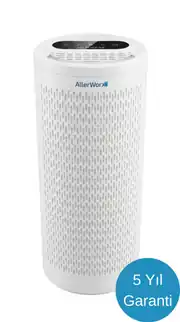
2. Purify the Air (UL 60 Air Purifier) You’ve encased your bed, but what about the invisible allergens (like pet dander or dust) rising from your carpets? In allergic rhinitis, capturing these suspended particles before you breathe them in is mandatory. The Allerworx UL 40 or UL 60 True HEPA Air Purifier operates silently on "Sleep Mode," capturing 99.97% of indoor allergens and outdoor winter air pollution (PM2.5).
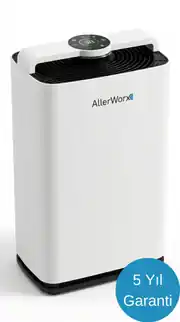
3. Dry Out the Moisture (18L Dehumidifier) Remember, dust mites can only survive in damp environments. As the final and most powerful pillar of your allergy ecosystem, use the Allerworx 18L Dehumidifier to lock your indoor humidity at the 45% level strongly recommended by medical authorities. Dehydrated mites cannot reproduce and are forced to die out naturally.
Comparison Guide: Proper Allergy Management
| Management Method | Effect on Allergic Rhinitis (Blocked Nose) | Environmental Control Success |
| Using Only Meds / Nasal Sprays | Temporarily suppresses the symptom; the source remains in the bed. | Does not stop environmental allergens. |
| Allerworx Complete Protection Ecosystem | Significantly reduces nasal congestion and nighttime snoring. | Encases the bed, purifies the air with HEPA, and dries the moisture. |
Frequently Asked Questions (FAQ)
How do I tell the difference between a chronic cold and allergic rhinitis? If your symptoms last longer than 1-2 weeks, you have no fever or muscle aches, your nasal discharge is clear and watery, and your sneezes come in rapid, consecutive fits, it is highly likely to be allergic rhinitis.
Why does allergic rhinitis cause dark circles under the eyes? Known medically as "allergic shiners," this occurs because the swelling (congestion) inside the nose causes blood to pool in the tiny veins under the eyes. Once the bedroom air is purified and allergen contact is cut off, these dark circles gradually fade.
Do air purifiers open a blocked nose instantly? Air purifiers are not medical nasal sprays. However, because they filter out the floating particles (dust mite feces, dander, etc.) that cause your nose to become congested in the first place, your nasal passages are not under attack during the night. As a result, you wake up with a naturally clear nose in the morning.
Important Disclaimer: This article is for informational purposes only. For an accurate diagnosis and medical treatment of allergic rhinitis, asthma, or any respiratory condition, please consult a specialized medical doctor (such as an allergist, immunologist, or ENT specialist).
👉 [Put a Natural Stop to Your Endless Winter Cold: Explore the Allerworx Allergy Protection Ecosystem ]