If you are an expat spending your first winter in a Turkish coastal city or a poorly insulated apartment, you might notice a few unwelcome changes. You wake up with a constantly blocked nose, sneezing fits, and perhaps you've even spotted dark, fuzzy patches of black mold growing in the corners of your bedroom walls.
Most people treat these as two completely separate issues. They buy bleach to scrub the mold off the walls, and they buy allergy pills to deal with the dust mites in their bed. However, there is a crucial medical fact you need to know: Black mold and house dust mites are not separate problems. They share the exact same root cause: High indoor humidity.
If you don't control the moisture in your apartment, the mold you cleaned today will return next week, and the dust mites in your mattress will continue to multiply rapidly. Let’s look at the scientific solution recommended by the American Academy of Allergy, Asthma & Immunology (AAAAI) to defeat both enemies at once.
The Enemy’s Weakness: Why They Need Water
Here is a fascinating biological fact: House dust mites do not drink water. To survive and reproduce, they absorb moisture directly from the air through their skin. Similarly, indoor mold spores cannot grow on your walls without a constant supply of dampness.
The American Academy of Allergy, Asthma & Immunology (AAAAI) provides a strict "Golden Rule" in their clinical practice parameters for managing these allergens: Indoor relative humidity must be kept strictly between 35% and 50%.
When you drop your apartment's humidity below 50%, dust mites become physically dehydrated. They stop reproducing and eventually die naturally. Without moisture, mold spores also go dormant and cannot grow on your walls.
Why Opening Windows in Winter is a Trap
Many expats try to get rid of the damp, musty smell by opening their windows wide during the winter. Unfortunately, in large Turkish cities, the outdoor winter air is often cold, damp, and heavily polluted.
Opening the windows doesn't effectively dry out the deep structural dampness in your walls. Instead, it invites toxic winter coal smog (PM2.5 particles) and exhaust fumes directly into your bedroom. You end up trading an indoor allergen problem for an outdoor pollution problem, making your asthma or rhinitis even worse.
The Allerworx 2-Step Ecosystem Solution
To fight both mold and dust mites simultaneously without using harsh chemicals, you need to create a controlled indoor climate. You can easily set up this medical-grade ecosystem in your Turkish rental using Allerworx technology:
1. Dry the Environment (Allerworx 18L Dehumidifier):
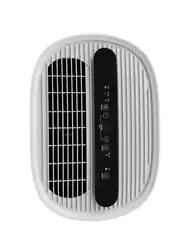
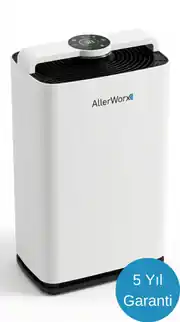
The only scientific way to lock your indoor humidity at the AAAAI-recommended 45% level is by using a professional dehumidifier. The Allerworx 18 Liter Dehumidifier actively pulls excess water out of your air, walls, and furniture. Consuming only 180W of energy (a fraction of what an AC unit uses), it permanently destroys the living conditions for both mold and dust mites.
2. Scrub the Air (Allerworx UL Series Air Purifiers):
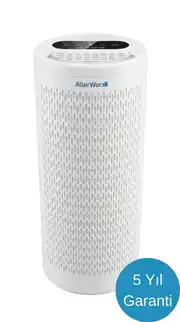
Once the dehumidifier stops the mold from growing, what happens to the invisible mold spores and dried mite feces already floating in the air? This is where your Allerworx UL 40 or UL 60 Air Purifier steps in. Equipped with a True HEPA filter, it acts as an air scrubber, capturing 99.97% of airborne mold spores, dust mite allergens, and outdoor PM2.5 smog before you can inhale them.
Comparison Guide: The Right Strategy for Damp Homes
| Strategy | Effect on Mold & Dust Mites | Effect on Indoor Air Quality |
| Opening Windows in Winter | Fails to drop humidity below the safe 50% mark. | Invites toxic winter smog (PM2.5) into the bedroom. |
| Bleaching the Mold | Only cleans the surface; mold returns because the wall is still damp. | Fills the room with harsh chemical fumes that irritate the lungs. |
| Allerworx Ecosystem (Dehumidifier + HEPA) | Locks humidity at 45%, safely dehydrating mites and stopping mold. | Captures floating mold spores, allergens, and smog in the filter. |
Frequently Asked Questions (FAQ)
Will a dehumidifier make my apartment cold in the winter?
No. Unlike an air conditioning unit, the Allerworx dehumidifier does not blow cold air or lower the room's temperature. In fact, because it removes the "damp chill" from the air, your apartment will actually feel much warmer and more comfortable.
What are the symptoms of a mold allergy?
Mold allergy symptoms are almost identical to dust mite allergies. They include chronic sneezing, a stuffy or runny nose, itchy/watery eyes, postnasal drip, and asthma flare-ups (wheezing). High humidity is the trigger for both.
Should I run the dehumidifier and air purifier at the same time?
Yes, they perform completely different but complementary jobs. The dehumidifier removes the water to stop pests and mold from growing, while the True HEPA air purifier cleans the floating particles and allergens currently in the air.
This article is for informational purposes only. For a comprehensive allergy diagnosis and medical treatment, please consult a healthcare professional.
👉 [Stop the Silent Threat in Your Home: Shop Allerworx Dehumidifiers and Air Purifiers Today]