For every expectant parent, preparing the nursery is a labor of love. You carefully select the safest wall paint, buy organic cotton clothes, and meticulously sterilize the baby bottles. But have you thought about the safety of the air your newborn will breathe for 16 hours a day, or the invisible environment inside their mattress?
When a baby starts sneezing constantly, gets a stuffy nose, or develops red, itchy skin, many parents desperately look for allergy syrups or creams. However, the idea of using heavy medications (like steroids or antihistamines) during pregnancy or on a newborn is always a frightening prospect for parents.
The good news is that the American Academy of Allergy, Asthma & Immunology (AAAAI) provides a much more powerful, completely natural rule to protect your baby from these conditions. Let’s look at how you can build an "allergy-safe," chemical-free ecosystem in your baby’s nursery, and explore two major mistakes parents often make.
The AAAAI's Golden Rule for Babies
The AAAAI is one of the highest medical authorities globally, and their official clinical practice parameters dictate exactly how doctors should advise allergy patients. One of their most striking statements is directly related to our children:
“Advise patients to minimize exposure of dust mite-sensitized children to dust mite allergens to decrease their risk of developing asthma and possibly rhinitis. (Strong Recommendation, Grade A Evidence).”
Science is telling us clearly: Instead of waiting for your child to develop asthma or allergies and then treating them with medication, you must physically protect them from allergens from day one. However, while trying to provide this protection, parents in Turkey often fall into two dangerous traps.
Two Major Mistakes Made in Baby Nurseries
1. Using Plastic/PVC-Backed Mattress Protectors: To protect the baby’s mattress from spills, many parents buy standard waterproof covers (often sold locally as "alez"). These are almost always backed with PVC or polyurethane. These synthetic plastics can emit invisible, harmful chemical gases called VOCs (Volatile Organic Compounds) while your baby sleeps. Furthermore, because the plastic blocks airflow, your baby will sweat excessively throughout the night. Heat, lack of breathability, and sweat are the number one triggers for diaper rash and atopic dermatitis (eczema).
2. The Obsession with Bleach and Heavily Perfumed Detergents: In Turkey, the concept of "deep cleaning" is often heavily associated with strong bleach and intensely perfumed fabric softeners. Cleaning a baby’s room or washing their sheets with these harsh chemicals directly irritates their developing, fragile lungs. Sheets that smell like strong perfume do not mean your baby is breathing healthy air; it means they are inhaling chemical residue.
The Allerworx 100% Natural Protection Ecosystem
To protect your baby from both dust mites and dangerous chemicals, you can use the physical, natural barriers provided by Allerworx:
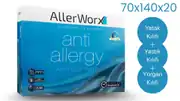
1. Isolate the Mattress Naturally (Woven Cotton Encasements) Do not cover your baby's mattress with sweaty PVC protectors. Instead, fully enclose it with an Allerworx 100% Premium Woven Cotton Encasement. Our covers contain absolutely no synthetic materials or plastic backing, meaning they emit zero dangerous VOCs. The tightly woven pure cotton threads naturally prevent dust mites inside the mattress from reaching your baby, while allowing the bed to breathe perfectly—preventing night sweats and eczema flare-ups.
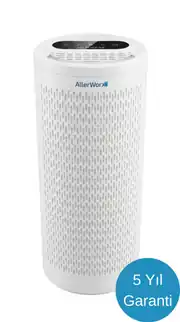
2. Purify the Air They Breathe (UL 40 Air Purifier) Instead of scrubbing the room with bleach and filling it with chemical fumes, clean the air by filtering it. The Allerworx UL 40 True HEPA Air Purifier operates so silently on "Sleep Mode" that it won't disturb your baby. It captures 99.97% of invisible dust mite allergens, pet dander, and outdoor winter smog (PM2.5) at a medical grade, offering your baby nothing but pure oxygen.
Comparison Guide: The Safest Choice for the Nursery
| Protection Method | Effect on Lungs and Skin | Medical Reliability |
| PVC / Plastic Protectors | Emits synthetic gases (VOCs), causes heavy sweating and eczema. | Plastic contact is not considered healthy. |
| Bleach & Perfumed Detergents | Strong chemical odors severely irritate tiny, developing lungs. | Increases the risk of respiratory sensitivity. |
| Allerworx 100% Cotton Cover + UL 40 | Sweat-free, chemical-free, and cuts off allergen exposure. | Fully aligned with AAAAI exposure control guidelines. |
Frequently Asked Questions (FAQ)
When do dust mite allergies start in babies? Exposure to dust mites begins from the day they are born. Clinical studies show that high exposure to dust mites during the first years of life significantly increases the risk of developing wheezing and asthma in childhood.
Do cotton encasements protect against liquids? How do I protect the mattress? Allerworx encasements are breathable, 100% cotton "allergy shields" that fully enclose the mattress; they are not nylon waterproof pads. To protect your baby from allergens, zip the cotton encasement around the mattress. For liquid accidents, simply place a thick, washable, pure cotton mattress pad on top of it. This ensures the bed continues to breathe naturally.
Isn't it enough to just open the nursery window to ventilate? While opening a window seems like a good idea for fresh air, especially during winter in large Turkish cities, it directly fills your baby's room with outdoor air pollution, coal smog, and exhaust fumes. The safest method is to open the window briefly for a quick air exchange, then close it and continuously filter the room with a UL 40 HEPA Air Purifier.
Important Disclaimer: This article is for informational purposes only. For your baby's health, allergy testing, and any medical diagnosis or treatment, please consult your pediatrician or a pediatric allergist.
👉 [Give Your Baby the Gift of Pure Breath: Explore the Allerworx Nursery Ecosystem ]