If you suffer from allergic asthma or dust mite allergies, you likely use a protective cover for your bedding. But how sure are you that your encasing is actually protecting you?
A comprehensive laboratory study published in the Journal of Allergy and Clinical Immunology (the official publication of the AAAAI) and conducted by researchers at Mahidol University tested 32 different covers from 9 countries using the "Siriraj chamber" method.
Scientists didn't just test the fabrics from the outside; they captured the movement of mites within the fabrics using electron microscopes. The images in the study reveal shocking facts:
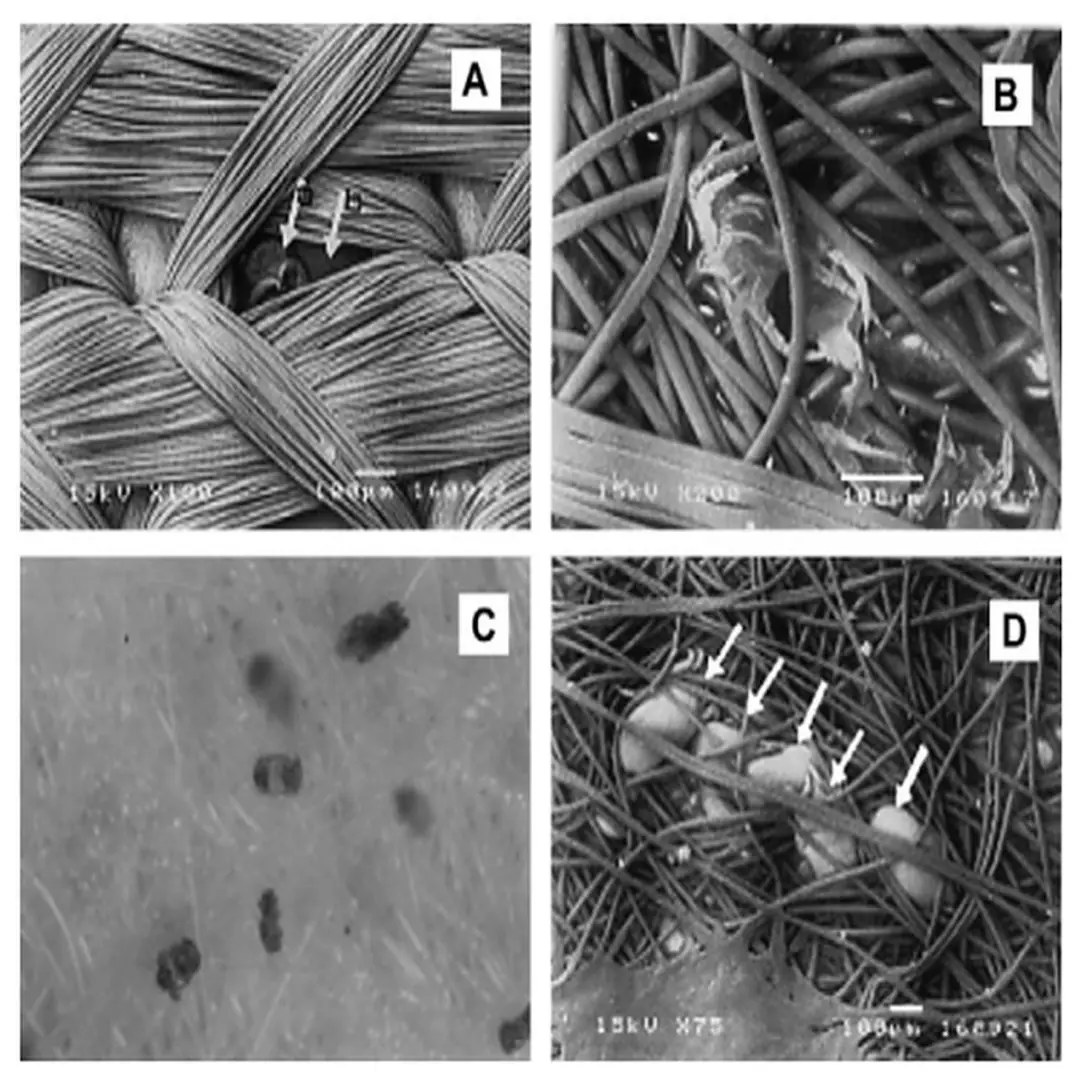
- Figure 1A: In a film-coated, loosely woven cover, a male dust mite is clearly seen penetrating through the fabric holes and residing on the basement membrane.
- Figure 1B: Among the disorganized fibers of a nonwoven fabric, the exoskeletal remains of a mite that shed its skin are visible. This indicates that mites are completing developmental stages and colonizing (breeding) within the fabric matrix.
- Figure 1C: Seven dead mites are localized on an acaricide-coated (chemical mite-killer) nonwoven cover. Despite the chemical coating, this fabric allowed mite penetration from both the inner and outer surfaces.
- Figure 1D: A group of five mites is shown living together, deeply penetrated within the unorganized fibers of a nonwoven cover. Instead of keeping mites out, the fabric became a new habitat for them.
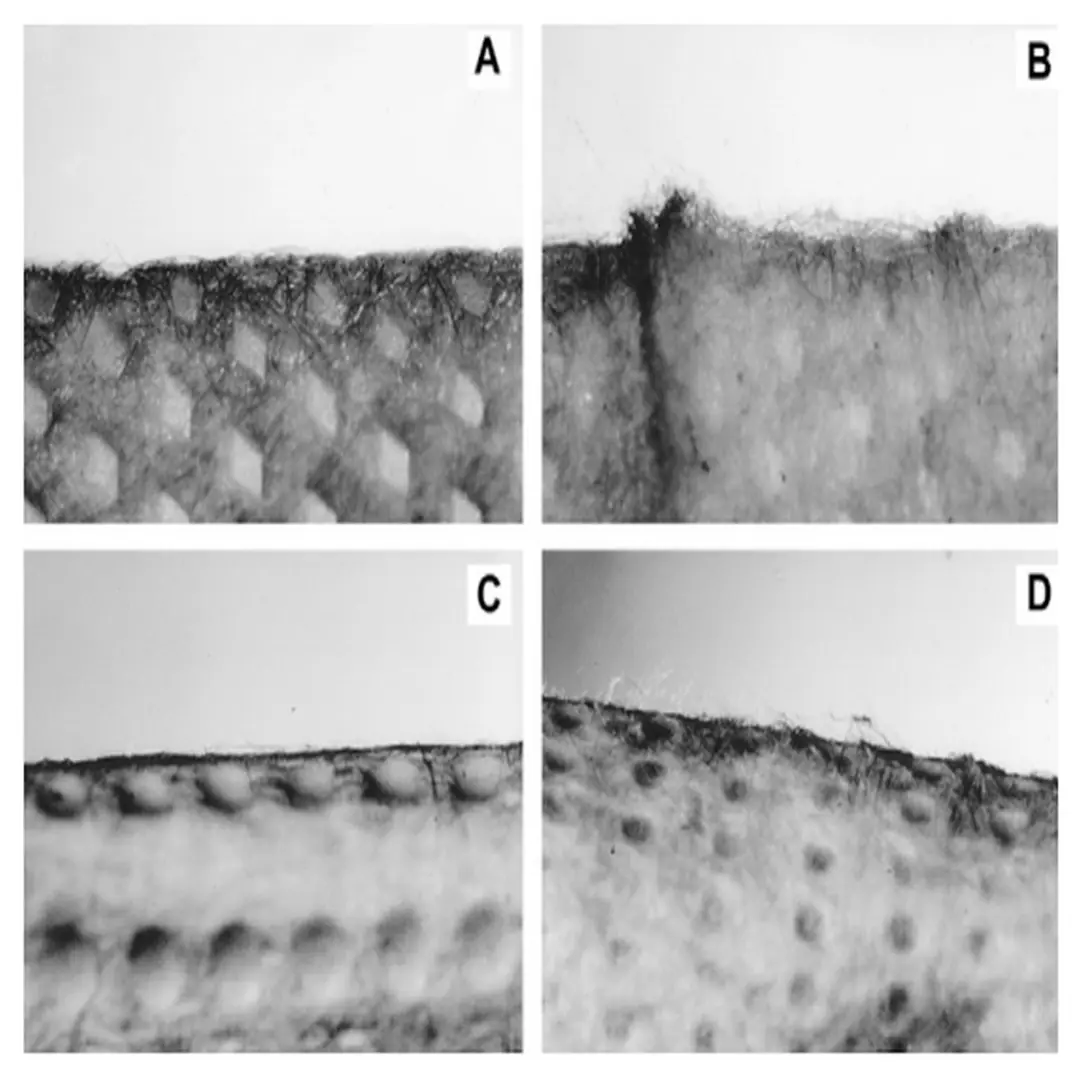
What Happens After Just 4 Months? (Figure 2 Findings) The study also documented the physical degradation of fabrics over time. Researchers compared brand-new nonwoven covers (Figures 2A and 2C) with the exact same covers after 4 months of normal domestic use (Figures 2B and 2D). After just 4 months, the once-compact threads became unraveled, separated, and tangled. This physical degradation provides easy access for mites to readily penetrate into the substrate of the material.
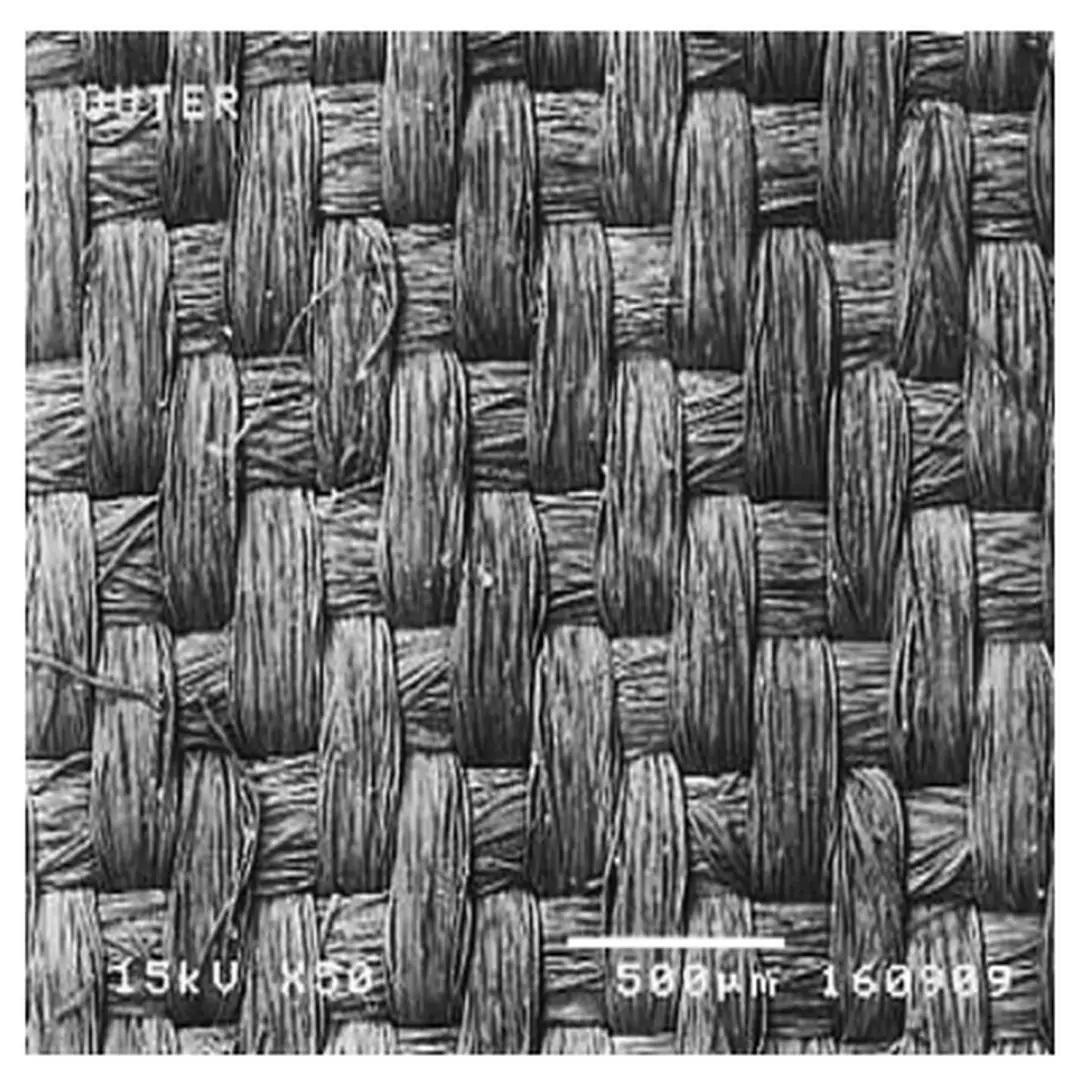
The Solution: Figure 3 (Tightly Woven Fabric) Among the tested materials, the electron micrograph of the fabric that provided 100% protection (Figure 3) proved that tightly woven fabrics have highly structured, systematized, and regular fibers, leaving little to no space for mites to infiltrate.
Unlike standard mattress pads, Allerworx products are fully enclosing 100% woven cotton encasings. Thanks to this tightly woven technology, they act as an impenetrable, long-lasting physical barrier against dust mites without relying on any chemicals.
📊 Performance of 7 Fabric Types Tested in the Scientific Study
Based on the Siriraj chamber test results, here is how different material categories performed:
| Fabric Category | Dust Mite Penetration Prevention | In-Fabric Colonization (Breeding) Risk | Comfort (Air and Water Vapor Transfer) |
| 1. Tightly Woven / Allerworx | 100% SUCCESS (No penetration) | NONE (Impenetrable barrier) | High (Allows proper ventilation) |
| 2. Film coated and loosely woven | FAILED (Allowed penetration) | YES (Figure 1A) | Variable |
| 3. Acaricide coated & loosely woven | FAILED (Allowed penetration) | YES | Variable |
| 4. Nonwoven | FAILED (Allowed penetration) | YES (Figure 1B, 1D) | Degrades over time (Figure 2) |
| 5. Film coated and nonwoven | FAILED (Allowed penetration) | YES | Low |
| 6. Acaricide coated and nonwoven | FAILED (Allowed penetration) | YES (Figure 1C) | Low |
| 7. Plastic | 100% SUCCESS (No penetration) | NONE | ZERO (Causes sweating and mold) |
💡 Frequently Asked Questions
1. Will my newly purchased nonwoven anti-allergy cover protect me forever? No. The scientific laboratory tests, specifically Figures 2B and 2D, clearly prove that the fibers of these nonwoven fabrics unravel after just 4 months of use, creating an open gateway for mites to penetrate the substrate.
2. Can dust mites live inside the encasing fabric? Yes. The electron microscope images (Figures 1B and 1D) document that mites penetrating the disorganized fibers of nonwoven and loosely woven fabrics actually shed their skin, complete developmental stages, and colonize (breed) in groups within the fabric matrix. This is why fully enclosing 100% woven cotton encasings should always be preferred over nonwoven alternatives.
3. Does an acaricide (chemical) coating completely solve the mite problem? No. Figure 1C findings show that even nonwoven fabrics coated with mite-killing chemicals allow mites to penetrate from both the inside and outside, failing to stop the infiltration.
4. What do allergists recommend? The conclusion of the research is explicit: for mite avoidance, allergists should recommend the use of tightly woven covers on suspected bedding containing dust mites. Unlike plastic covers, tightly woven fabrics provide zero mite penetration while allowing air transfer to prevent sweating.